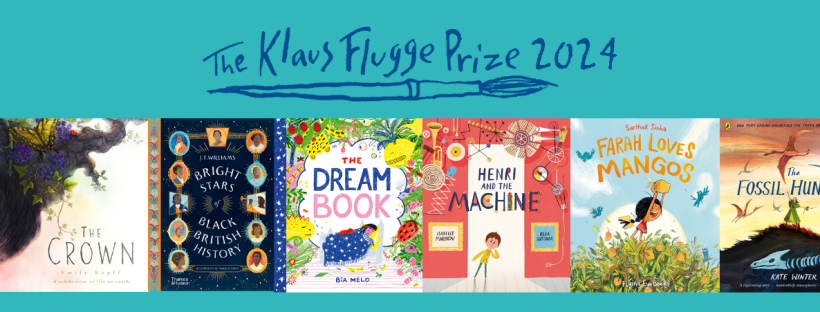
The Klaus Flugge Prize honours publisher Klaus Flugge, an influential figure in picture books, and the founder of publishing house Andersen Press.
It was founded in 2016 and recognises a published picture book by a debut illustrator. Today, I’m spotlighting one of the nominees for this year’s Klaus Flugge Prize: Bia Melo, creator of ‘The Dream Book.’
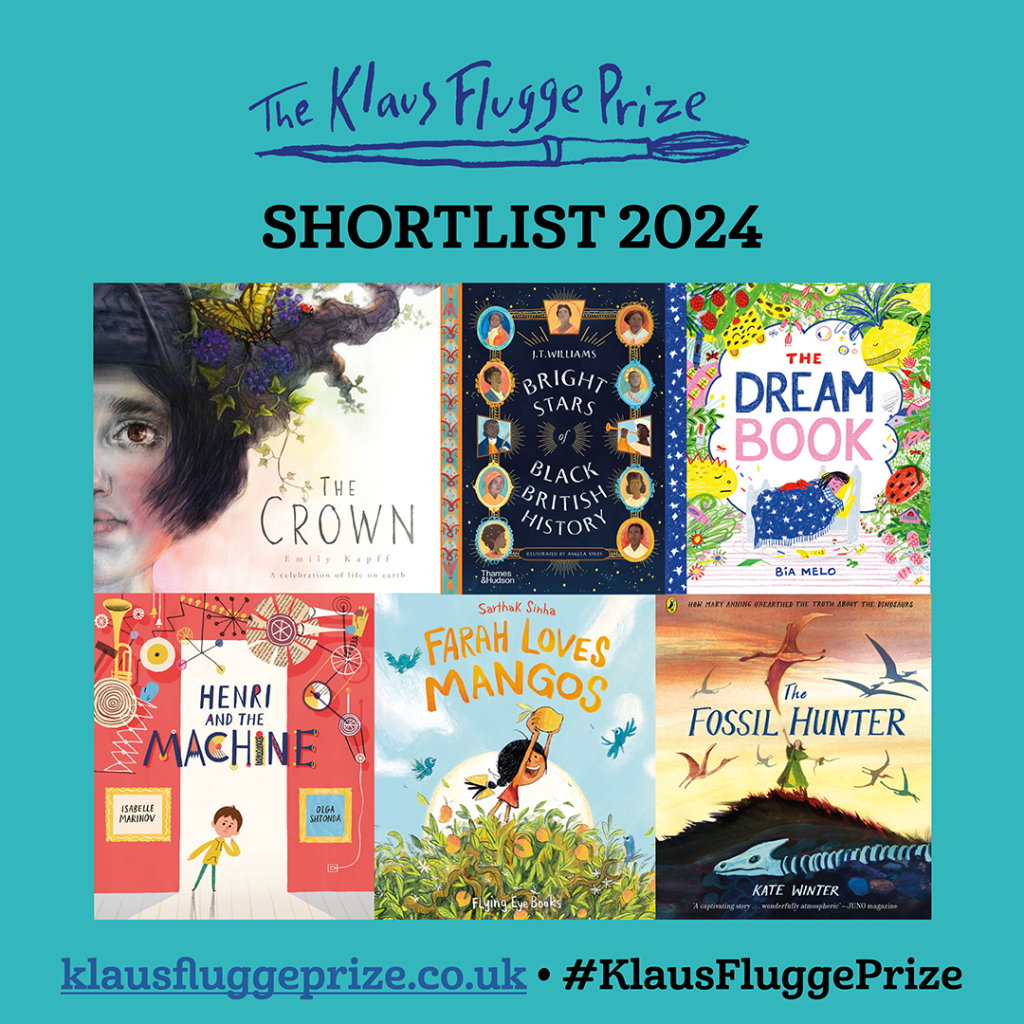
Bia has written a special piece about the inspirations behind ‘The Dream Book’ and how she went about creating it.
The Dream Book by Bia Melo
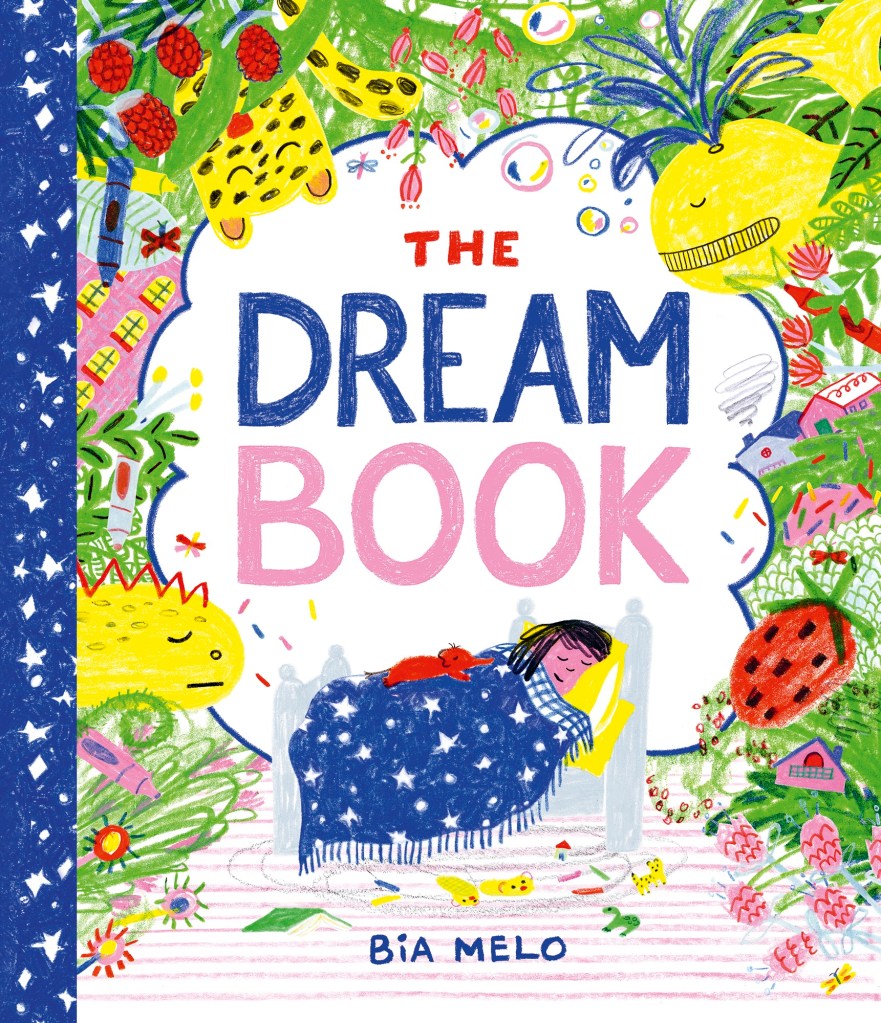
“The Dream Book” tells the story of Nina, a very curious girl who, unlike other kids, really likes to go to bed because that’s when the dreams happen. Every night she goes on surprise adventures, visiting the most unexpected places and making friends with the most amazing creatures. But when she wakes up in the morning, the dream is, puff, gone! So we follow Nina on her quest to find out where the dreams go, hoping she can capture at least a little piece of it forever.
The inspiration for “The Dream Book” came from dreams themselves. While studying at the MA in Children’s Book Illustration at Cambridge School of Arts, I was encouraged to explore topics of personal interest. I realized that I had always been connected to dreams, often remembering my dream adventures. So it was a natural process to delve into this universe for my first story.
I had kept a Dream and Draw journal of my own a few years ago. My technique for it was to draw immediately after waking up, aiming not to impose my own narrative on the dream memory or search for hidden meanings. I’d focus on drawing a representative element and writing a minimal sentence, which efficiently captured the essence of the dream on the page. It’s a process similar to what Nina does on the story.
When thinking about the artwork for the book, I combined my journal practice with memories from my childhood, recalling how I interacted with books. I used to mimic the drawings from books and tried to figure out what materials were used by copying them. So it made sense to me that the artwork needed to connect with kids in a similar way, especially for this story, as I was intentionally inviting them to grab a pencil and, like Nina, go and draw their own dream books.
That’s why in creating “The Dream Book,” I chose crayons and pencils—common materials found in any child’s art box. I worked with them in a way that really shows off their vibrancy and the energetic marks they can make, hoping to capture the playful essence of creating art.
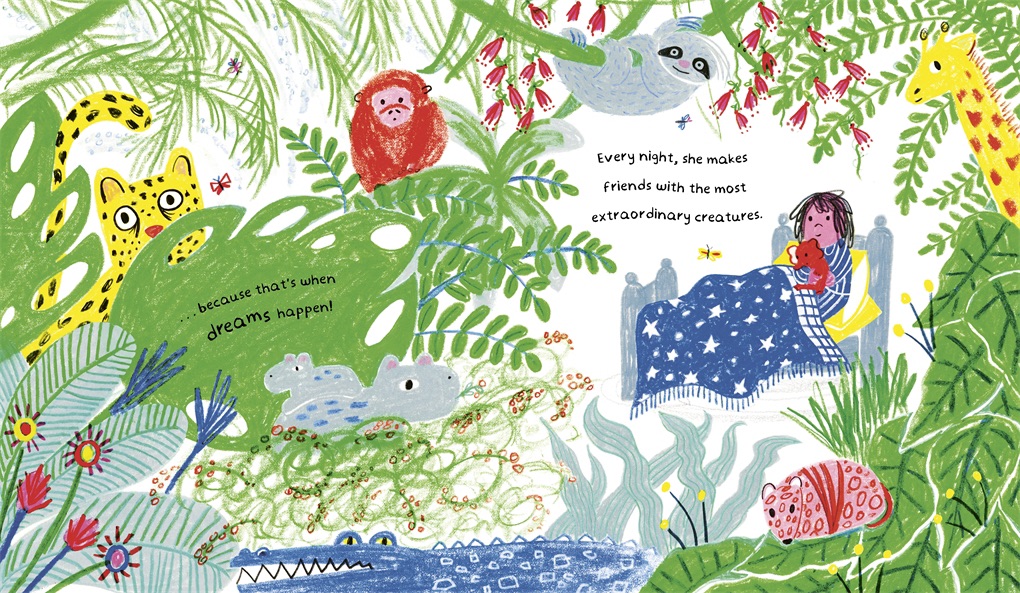
While the techniques I used ended up being a bit more advanced than what you might find in a typical child’s art project—like melting the crayon wax to allow layering colours and adding details—I really hope it sparks a bit of inspiration for kids (and adults!) to pick up their own crayons and draw.
Trying to see the world as a child does is very hard but also fascinating. The challenge is to try to draw with the freedom of a child, and for “The Dream Book,” I mostly worked on one large piece of paper to maintain that spontaneity. I found that working on a single, big format allowed me to immerse myself in the process, embracing the unpredictability and joy that come with it. Sometimes, I’d add bits digitally, especially when I needed to refine details or correct something that didn’t quite work. However, I preferred to redraw characters over and over, chasing the perfect expression or just the right burst of energy.
This method helped me to embrace the happy accidents and the unexpected blends of colour, as these moments often led to the most genuine and vibrant parts of the artwork. The colours would mix differently each time, and the mark-making created unique textures and effects that I could not replicate digitally. It was important for me to capture the moments when everything came together on paper, as these instances of spontaneity were what made the artwork truly special for me.
I hope readers of all ages can be inspired by Nina’s curious and inquisitive personality. I would like them to face the world with a sense of wonder and adventure, either awake or asleep. I hope you enjoy reading “The Dream Book” as much as I enjoyed creating it. And please, Dream and Draw!
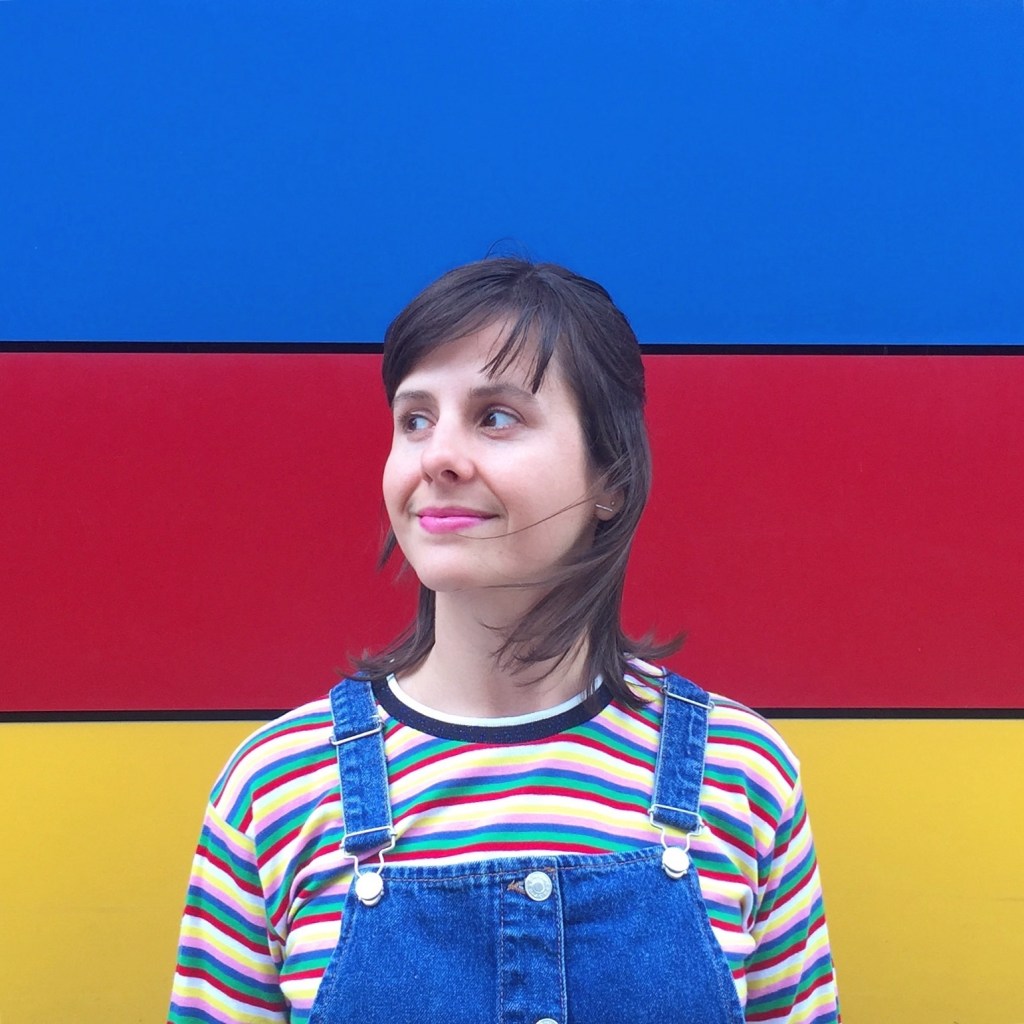
Bia is a Brazilian-born illustrator and author based in East London. Graduated from the Masters at Cambridge School of Art Children’s Book Illustration Highly Commended at The Macmillan Prize for Illustration (UK). Her debut picture book, The Dream Book published by Templar was very well received being shortlisted for the Klaus Flugge Prize (UK), selected as The Times’ Best Children’s Books of the Summer and also selected at Society of Illustrators (NY), Golden Pinwheel Young Illustrators Awards (China) among others. Bia’s vibrant tropical influences are reflected in her bold use of colours and textures. She finds inspiration in little details of everyday life, turning them into pieces set in a fun atmosphere, using humour and quirky characters in a visually playful approach.
I love the idea of children starting up their own ‘dream and draw’ journals! You can find out more using the link below:
We shall have to wait until September until the winner is announced so there’s plenty of time to read the short list before then.
Jo.
 Library Girl and Book Boy